Defective concrete blocks and home insurance: What you need to know
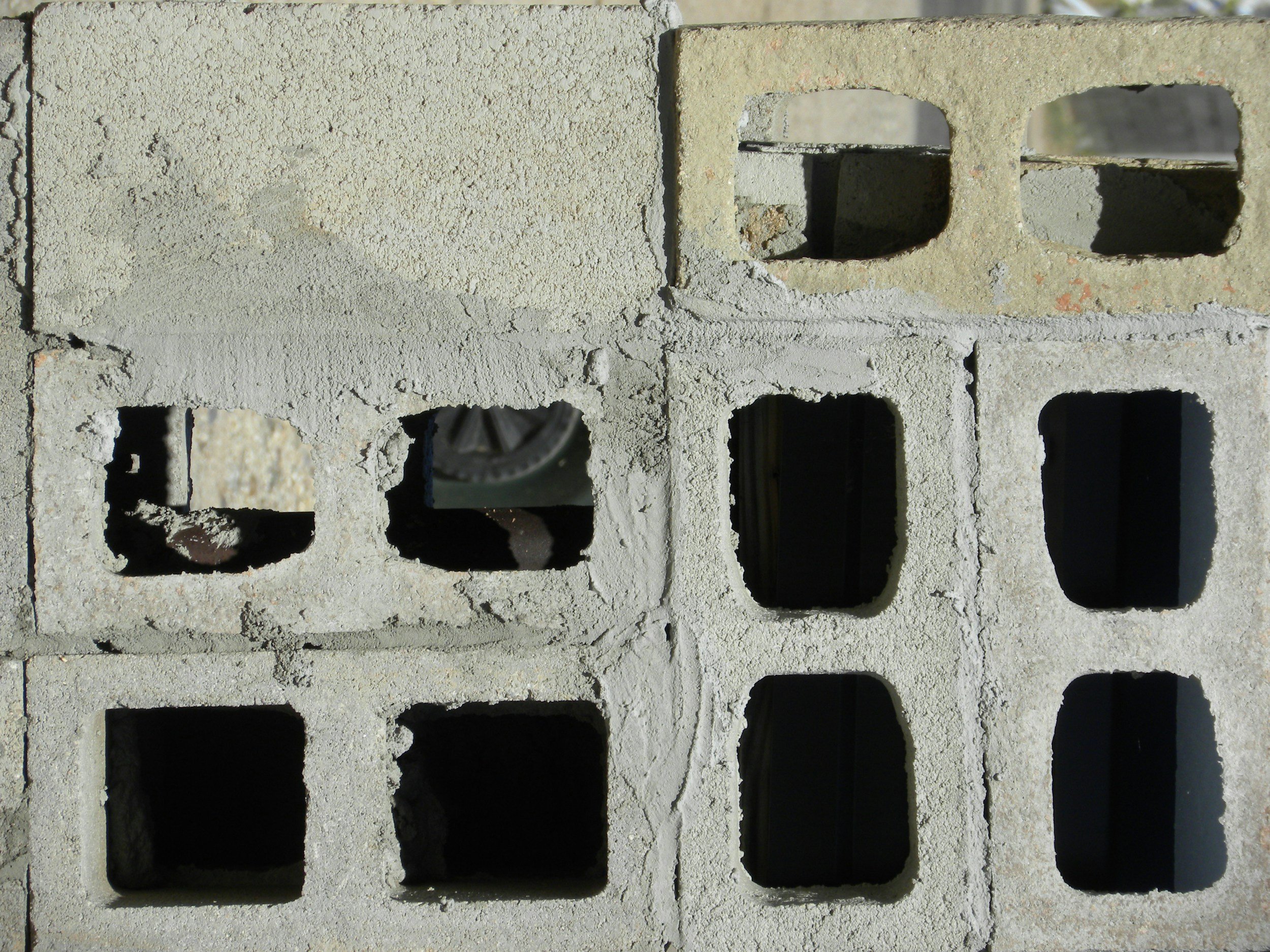
If your home is affected by defective concrete blocks, insurance may be one of the many things on your mind.
Will your existing home insurance continue? What happens when your policy comes up for renewal? Will your insurer pay to replace defective blocks? And what happens to your cover while remediation work is taking place?
There is no single answer that applies to every home or every policy. Insurers have their own underwriting criteria and policy terms, and the condition of the property and stage of any remediation work will also matter.
However, there are some general points that can help you understand what to expect.
What are defective concrete blocks?
Defective concrete blocks, sometimes referred to as DCB, are blocks containing harmful materials that can cause damage to a building over time.
For homeowners affected, this can raise questions about the structural condition of the property, remediation work and, of course, home insurance.
It is important to understand that home insurance is designed to cover certain unexpected events, known as insured perils. It does not generally cover the cost of repairing or replacing defective building materials themselves.
That distinction is important when it comes to DCB.
Will home insurance pay to fix defective concrete blocks?
Generally, no.
Standard home insurance policies typically exclude damage caused by defective or faulty materials, design or workmanship. This means the cost of repairing or replacing the defective blocks themselves would not normally be covered by your home insurance policy.
However, that does not necessarily mean that every other type of loss or damage to your home is automatically excluded.
Depending on your policy and the cover you have in place, a sudden and unforeseen event that is not caused by the defective materials may still be considered.
For example, if your home suffers damage from an insured event, whether you are covered will depend on your individual policy terms and whether any restrictions or exclusions have been applied.
Always check your policy booklet, schedule and any endorsements or exclusions that apply to your cover.
Can I take out a new home insurance policy if my home has DCB?
If a property is suspected or confirmed to have defective concrete blocks, obtaining a new home insurance policy may be difficult.
In general, insurers may decline to offer a new policy until remediation work has been completed.
After remediation, insurers may consider providing cover, subject to their normal underwriting requirements. You may be asked to provide evidence that the work has been completed in line with the relevant standard, I.S. 465:2018, as well as an independent engineer’s report confirming that the property is structurally sound and free from DCB-related defects.
Each insurer will have its own requirements, so it is important to check what documents are needed.
What if I discover DCB after my policy has already started?
If you discover or suspect that your home has defective concrete blocks after your policy begins, you should contact your insurer.
Your insurer may review your circumstances individually and ask for more information about the condition of the property.
This could include:
an independent engineer’s report or full condition assessment;
photographs and any available testing results;
information about whether the home is occupied; and
details of any planned or ongoing remediation work.
While this information is being reviewed, your insurer may change or restrict the cover available under your policy.
What does “limited cover” mean?
Limited cover means that your policy continues to provide protection for certain events, but not for others.
The exact approach will depend on the insurer and the circumstances of the property. In some cases, cover may be limited to events such as fire and theft, or fire, lightning and explosion.
Other types of cover may be restricted or excluded. These could include storm or flood damage, subsidence, escape of water, collision, falling trees or damage to underground services.
These are examples only. Your insurer may take a different approach depending on your home, the information available and the terms of your policy.
If your cover is restricted, ask your insurer to explain clearly what is and is not covered.
Will my home insurance be renewed?
Many insurers will seek to continue cover for existing customers where it is safe and appropriate to do so.
However, the terms of your policy may change depending on the condition of your home, the documentation available and whether remediation work is planned or underway.
In some circumstances, an insurer may offer a shorter policy period, such as six months rather than the usual 12 months. This can happen where a home is unoccupied or undergoing remediation, allowing the insurer to review the situation as the work progresses.
If a property is unliveable, permanently unoccupied, being demolished or being rebuilt, an insurer may be unable to continue standard household cover.
What happens to my insurance during remediation?
Remediation can significantly change the risk associated with a property.
If your home is unoccupied or major works are taking place, your insurer may restrict the cover available while the work is underway. For example, the policy may provide fire-only cover or cover for a smaller number of specific events.
Standard conditions for unoccupied properties may also apply. These could include requirements relating to security, regular inspections or turning off the water supply.
If demolition or rebuilding is involved, standard home insurance may not be available until the work is complete.
The important thing is to speak to your insurer before work begins and keep them updated as the remediation progresses.
What documents might my insurer ask for?
The documents required will vary between insurers, but it is useful to keep any relevant information about your property and remediation work together.
You may be asked for an engineer’s report, testing results, photographs, details of contractors and planned works, documentation relating to a remediation scheme, and information about whether the property is occupied.
After remediation, you may also need a completion certificate confirming that the work was carried out in accordance with I.S. 465:2018 and that the property is structurally sound.
Having this information available can help your insurer understand the condition of the property and assess what cover may be available.
Can I get standard home insurance again after remediation?
In many cases, insurers may consider standard cover once remediation has been completed and the appropriate certification is available.
You may need to provide a certificate confirming that the remedial works were completed in accordance with I.S. 465:2018, together with confirmation from the relevant professionals involved.
The property will then generally be considered under the insurer’s normal underwriting criteria.
This does not guarantee that every insurer will offer cover, but completing remediation and having the correct documentation can make it possible for the property to return to standard insurance terms.
What if I only have contents insurance?
If you are renting a DCB-affected property and have contents-only insurance, your policy may often continue as normal.
However, this could change if the property becomes uninhabitable, is demolished or is being rebuilt.
If you are unsure, contact your insurer and explain your circumstances.
What should I do if my home is affected?
If you know or suspect that your home contains defective concrete blocks, a few practical steps can help:
Tell your insurer and explain your circumstances.
Arrange an independent engineer’s assessment where appropriate.
Keep photographs, test results, reports and correspondence together.
Keep records of any remediation scheme documents and contractor details.
If remediation is planned, speak to your insurer before the work begins.
Ask your insurer to explain any restrictions or changes to your cover in plain language.
Keep all completion certificates and professional reports once remediation is finished.
The important thing to remember
Defective concrete blocks can make home insurance more complicated, but the outcome will depend on your individual circumstances.
The defect itself is generally not covered by a standard home insurance policy. However, insurers may continue to provide some cover where it is safe and appropriate to do so, particularly for existing customers and while remediation is progressing.
The condition of the property, whether it is occupied, the stage of remediation and the documents available can all affect the cover an insurer is able to provide.
If your home is affected, contact your insurer or insurance intermediary directly. Ask what cover you currently have, whether any restrictions apply and what documentation you may need to provide.
Always check your own policy wording, schedule, endorsements and exclusions, as cover and underwriting requirements can vary between insurers.
Need More Assistance?
If you have further questions, you can contact Insurance Ireland’s Information Services team:
Email: feedback@insuranceireland.eu
Tel: (01) 676 1820