Budget 2027: Five Key Takeaways for Insurance Consumers
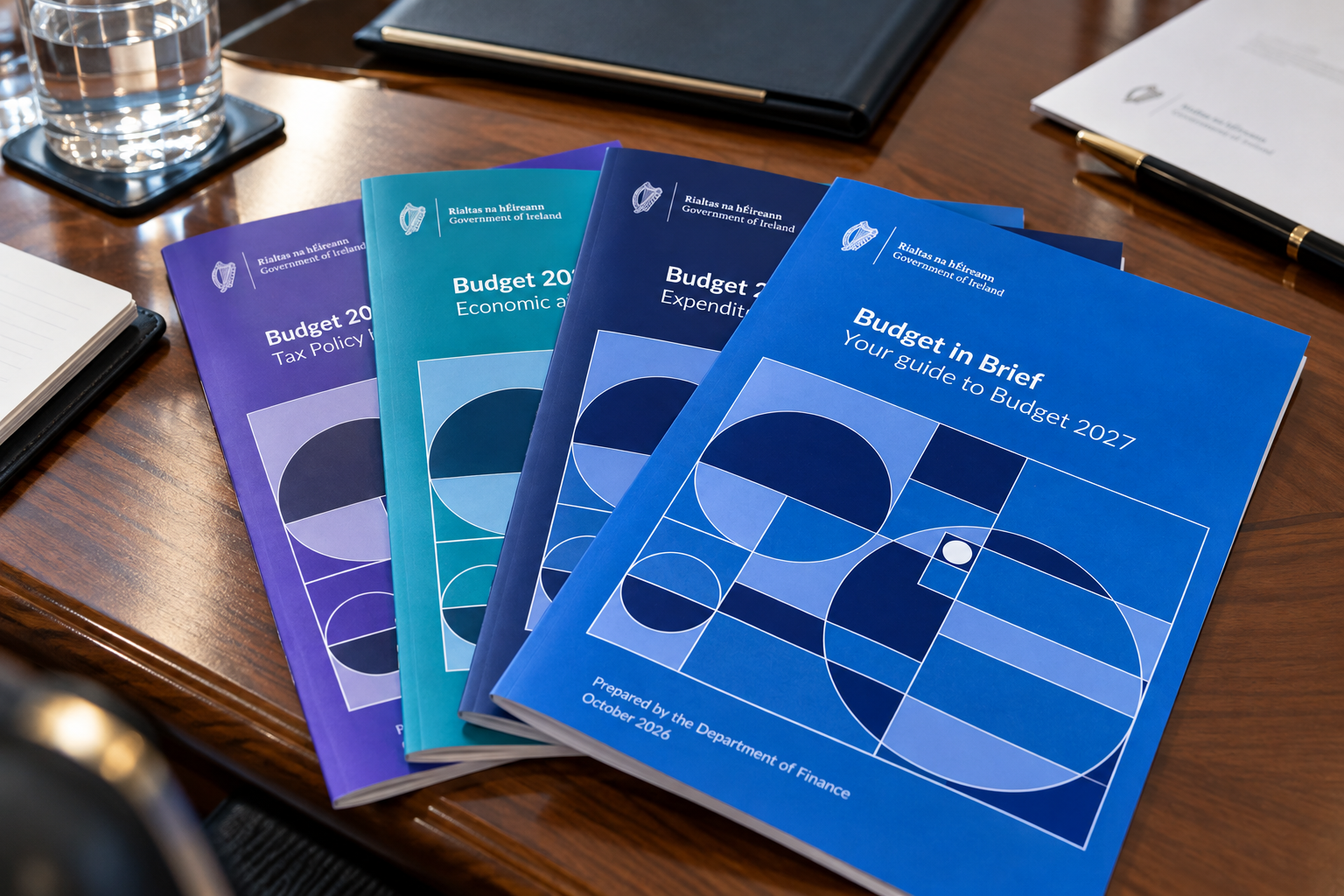
Budget 2027 brought a range of announcements, but what do they actually mean for your insurance?
From changes to how certain life assurance investments are taxed to plans for paperless motor insurance discs, there are several developments that could affect insurance consumers in the coming years.
Here are five key takeaways from Budget 2027 and what they could mean for you.
1. Not all life insurance policies are affected
When we think of life insurance, we generally think of a policy that provides financial protection for our loved ones if we die. However, not all life assurance policies work in the same way.
Some policies are designed primarily to provide financial protection, while others are investment-based, allowing money to be invested with the aim of growing its value over time. As with other investments, their value can rise or fall.
The Budget's changes to life assurance taxation relate to certain investment-based policies, rather than ordinary life protection cover.
2. The tax on certain life assurance investments is being reduced
One of the main changes announced in Budget 2027 is a reduction in Life Assurance Exit Tax (LAET) from 38% to 35%, as part of efforts to encourage more people to invest their money in shares, funds and other investment products.
This tax applies to gains made on certain life assurance investment policies, including qualifying policies issued by Irish providers and certain foreign life assurance companies.
For example, if you made a taxable gain of €1,000, a 38% tax rate would mean €380 in tax. At 35%, that would fall to €350, a difference of €30.
However, you don't necessarily have to withdraw your money for tax to become due. Under what's known as the eight-year deemed disposal rule, certain policies are taxed on investment gains after eight years, even if you haven't withdrawn anything. This generally happens again every eight years afterwards.
Although Budget 2027 announced a lower exit tax rate, the eight-year deemed disposal rule remains in place for existing policies.
3. A new Investment Account is on the way
Budget 2027 also announced plans for the introduction of a new Investment Account, expected to become available from 1 July 2027.
The account is intended to provide a simpler way for individuals to invest in eligible products, including certain insurance-based investments. Insurance companies will be among the providers eligible to offer these accounts, alongside regulated investment firms and fund managers.
Under the proposed arrangements, individuals would be able to invest up to €12,000 a year into the account. The first €50,000 of the account's value would fall below the tax threshold, with a 1% annual tax applying to any amount above this.
For example, if an account had an average value of €60,000 throughout the year, the annual tax would be €100 (€10,000 above the threshold × 1%).
Unlike certain investments held outside the account, the usual 35% Life Assurance Exit Tax and eight-year deemed disposal rule would not apply to eligible investments held within it. Instead, the new account would have its own tax arrangements, with the provider responsible for calculating, reporting and paying any tax due to Revenue.
However, the detailed arrangements are still subject to legislation through the Finance (No. 2) Bill 2026, so it's worth checking the final rules when they become available.
4. Paperless motor insurance discs are being progressed
If you drive or own a car, another development worth knowing about is the Government's plans to introduce paperless motor insurance discs.
Budget 2027's Expenditure Report confirms that work is continuing towards a paperless system covering motor insurance, motor tax, NCT and CVRT discs, with the necessary legislation progressing through the Oireachtas.
While this could eventually remove the need to display physical discs on windscreens, the change has not yet taken effect. Motorists must continue displaying their insurance discs and following existing requirements until the new rules come into force.
5. What should you check following Budget 2027?
Although Budget 2027 includes several developments affecting insurance and investments, they won't necessarily affect every policyholder in the same way.
If you have a life assurance policy, check whether it's designed for financial protection, investment or a combination of both. If it's investment-based, it's worth checking how the reduction in Life Assurance Exit Tax could affect your policy and when tax might become payable.
If you're considering the new Investment Account, remember that it isn't available yet, and its final arrangements will depend on the legislation introduced.
And if you're a motorist, keep an eye out for updates on paperless insurance discs, but continue following the existing requirements until any changes take effect.
Ultimately, understanding which of these changes are relevant to you can help you make sense of what Budget 2027 means for your insurance.
Need More Assistance?
If you have further questions, you can contact Insurance Ireland's Information Services team:
Email: feedback@insuranceireland.eu
Tel: (01) 676 1820