How Carpooling could make your commute easier, cheaper and more sustainable
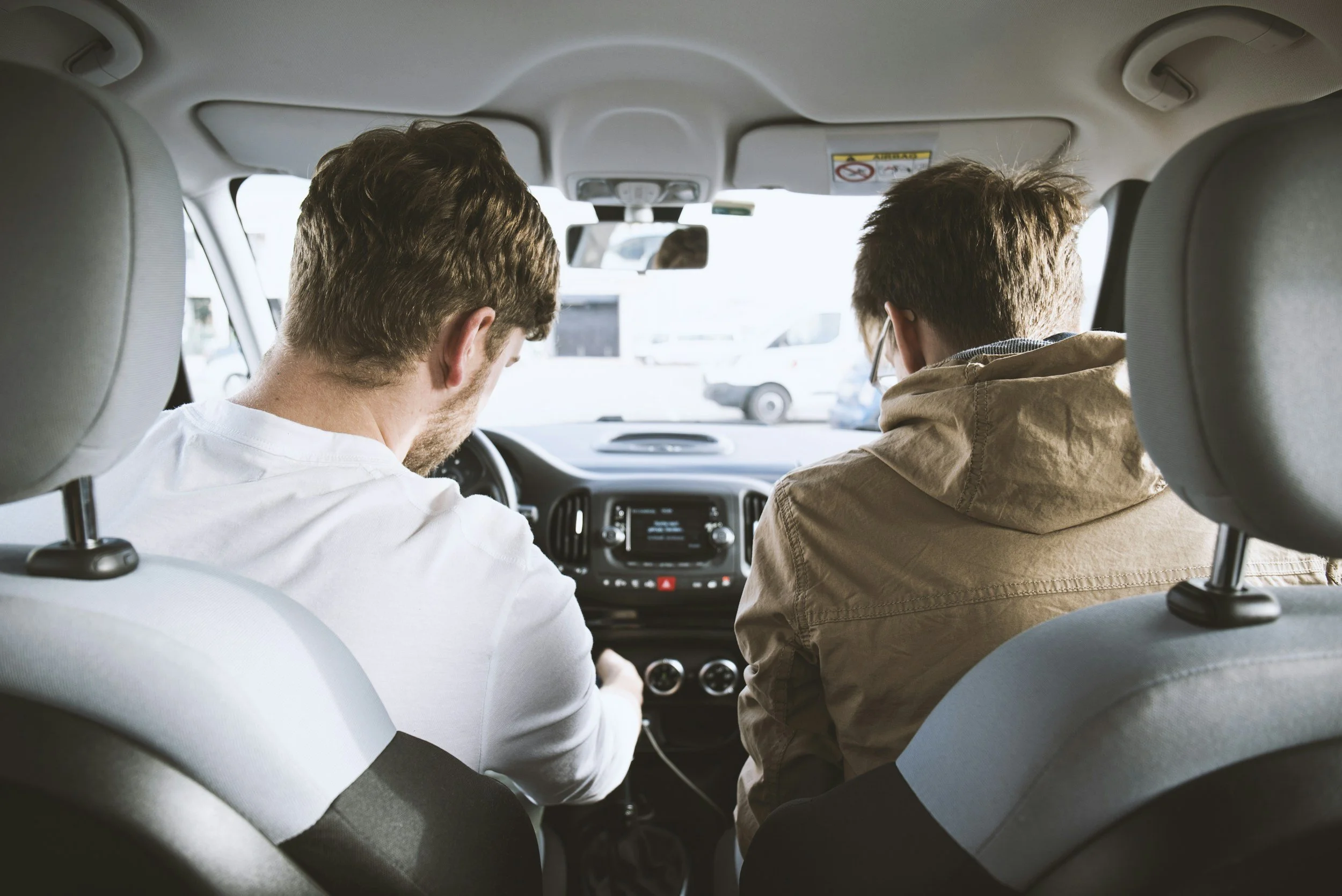
Changing our transport habits, like introducing Carpooling, is one little change that could have a big impact on making our communities safer and more sustainable.
Introduction
All across the country, thousands of commuters drive to work on the same roads to the same destinations as their neighbours, colleagues, or fellow students. If every driver carried another driver, the number of cars on our roads could be reduced by half.
Carpooling has great benefits for drivers, passengers, and the wider community. It’s a great way to save money by splitting the cost of getting to work or school, and fewer cars on the road will mean that your journey has a reduced environmental impact and contributes to reducing traffic congestion.
The Department of Transport’s Moving Together Strategy is a plan by the Government to make Ireland’s transport system more efficient for everyone while also reducing the impact of car dependence on the economy, the environment and the health of our society.
Why Carpooling is worth considering
The benefits of carpooling can be felt both at an individual level and a wider community level. Individually, if you start carpooling with one or more people who otherwise would have driven themselves to work, the overall costs for getting you all to your destination will be reduced. Splitting the cost of fuel, parking fees and even car maintenance with your fellow passengers will save each person paying the full price for all of these costs individually.
Environmentally, the removal of an extra car or two from the roads during the working week, (or even altogether, if someone only uses their car to get to work) isn’t much difference. But if large numbers of people take to carpooling and every driver carries another driver, the number of cars on our roads could be reduced by half. Private car energy use accounts for nearly 40% of transport energy use in Ireland according to recent data from the SEAI.
Everyone hates traffic. Think about how easy your commute could be if there were half the number of cars on the road. With more and more people taking to carpooling, this is a dream that could become reality.
How you can start carpooling
It could be easier than you think to start a carpooling trend in your workplace. Start a discussion in a group chat with your colleagues if you have one, or if you already know that some of your colleagues live nearby, you could go directly to them with your idea. From there you can make a carpooling schedule to plan who will be the driver and who will be the passenger on specific days.
Don’t hesitate to talk to your employer to see if they can help out by encouraging carpooling or maybe matching up employees who live close to each other.
What about my insurance?
It’s important to know that carpooling doesn’t have an impact on your motor insurance premiums as long as your vehicle can’t carry more than eight passengers (excluding the driver), the passengers are not being carried as part of a business of carrying passengers and the total contributions received for the journey do not involve an element of profit
If you want to allow your carpool companions to share the task of driving but they don’t own a car, you can add them as a named driver to your motor insurance policy. You can do this at the beginning or during the course of the policy. There is also the option to add somebody as a temporary additional driver to your policy.
Conclusion
Be the first in your workplace to suggest carpooling and help save a little money and stress for both you and your colleagues while also doing your bit to reduce emissions and benefit the environment.
Check out Understanding Insurance’s other blog posts to get all the best tips and knowledge to allow you to make informed decisions on your insurance cover.
Need More Assistance?
If you have further questions, you can contact Insurance Ireland’s Information Services team:
Email: feedback@insuranceireland.eu
Tel: (01) 676 1820