How to Protect Yourself from Insurance Scams and Fraud
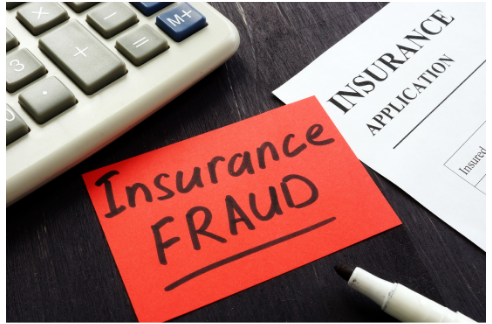
Insurance scams and fraud are unfortunately becoming more common. They can happen online, over the phone, by email, or even through social media.
While many scams are easy to spot once you know what to look for, others can seem very convincing.
What Is Insurance Fraud?
Insurance fraud happens when someone tries to trick you into giving away money, personal details, or insurance information.
Scammers may pretend to be:
An insurance company
A claims handler
A broker or adviser
A government body or consumer organisation
Their goal is usually to get your personal details, bank information, or payment.
Common Insurance Scams to Watch Out For
Fake Calls or Emails from “Your Insurer”
You may receive a call or email claiming there’s a problem with your policy or that you’re owed a refund.
These messages often:
Create a sense of urgency
Ask you to “confirm” personal details
Include links to fake websites
Too-Good-to-Be-True Insurance Deals
Scammers may advertise very cheap insurance cover online or on social media.
Warning signs include:
Prices that seem far lower than normal
Requests for payment by bank transfer or gift cards
No clear company contact details
Claims or Accident Scams
You might be contacted about an accident you were never involved in, or encouraged to make a claim you don’t need.
This type of fraud can lead to:
Higher premiums
Policy cancellation
Legal trouble
How to Protect Yourself
Don’t Share Personal Information
A genuine insurer will not ask for sensitive details like passwords or full bank information by email or text.
If you’re unsure:
Hang up
Don’t click links
Contact your insurer directly using official contact details
Be Careful Online
Scammers often use fake websites that look real.
Before entering any details:
Check the website address carefully
Look for spelling or grammar mistakes
Make sure the site starts with “https”
There is guidance online from insurance companies highlights the importance of staying alert when managing finances online.
Verify Who You’re Dealing With
If someone contacts you unexpectedly:
Ask for their name and department
Don’t feel pressured to act immediately
Verify their identity independently
Insurers advise customers to always double-check before responding to requests for information.
Trust Your Instincts
If something doesn’t feel right, it probably isn’t.
Scammers rely on:
Panic
Pressure
Confusion
Taking a moment to stop and think can prevent fraud.
What to Do If You Think You’ve Been Targeted
If you believe you’ve been contacted by a scammer:
Do not respond
Do not send money
Keep any messages or emails
You can also find clear, practical advice on reporting scams through resources such as the Citizens Information website, which offers up-to-date guidance for consumers in Ireland.
If you’ve already shared information, contact your insurer or bank immediately.
Why This Matters
Insurance fraud doesn’t just affect individuals. It can lead to:
Higher premiums for everyone
Delays in genuine claims
Loss of trust
By staying informed and cautious, you’re protecting yourself and helping reduce fraud overall.
You don’t need to be an expert to avoid insurance scams. Staying alert, asking questions, and taking your time can make all the difference.
If in doubt, always stop, check, and verify.
Need More Assistance?
If you have further questions, you can contact Insurance Ireland’s Information Services team:
Email: feedback@insuranceireland.eu
Tel: (01) 676 1820