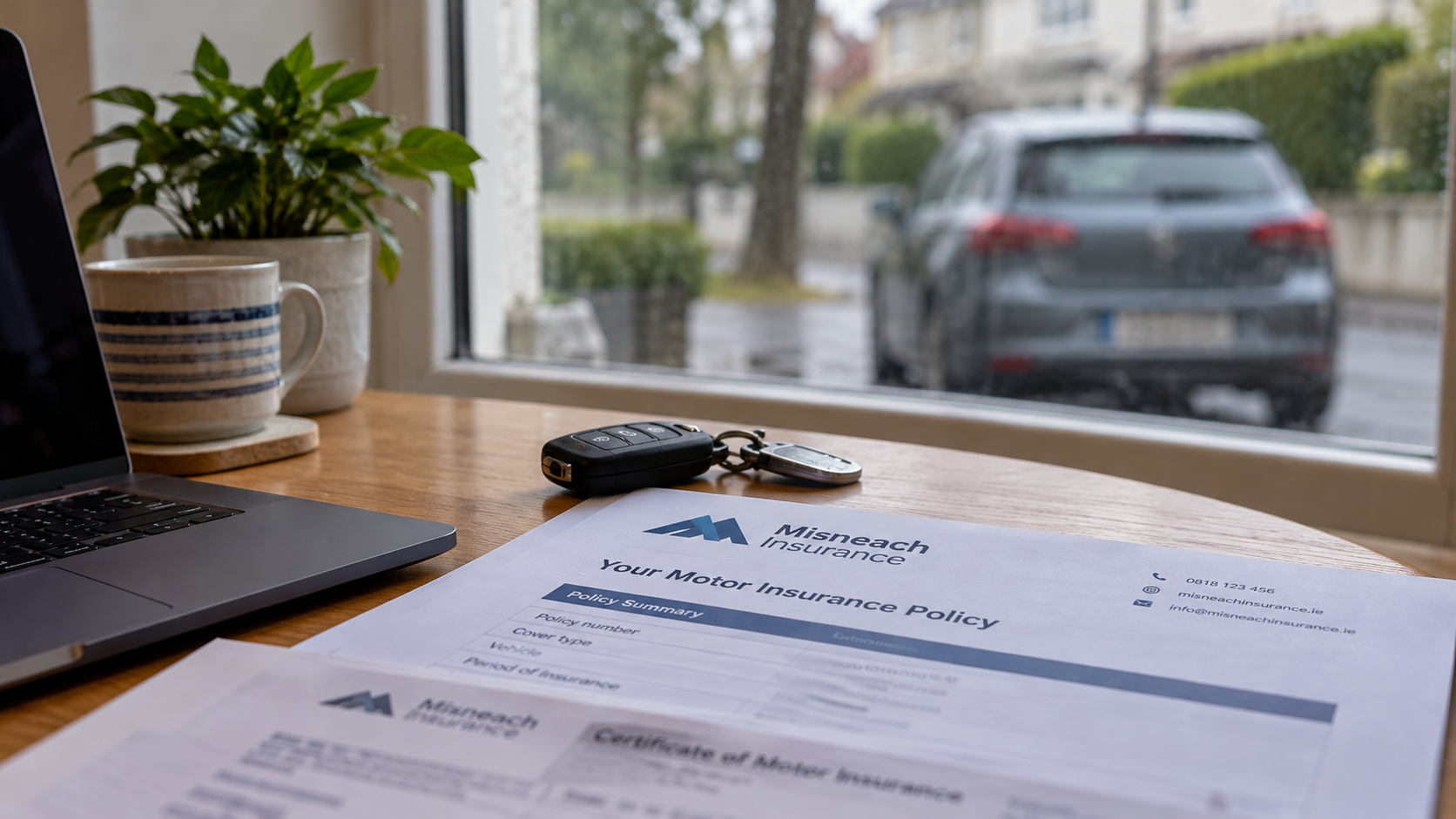
There are lots of reasons why someone might step away from driving for a while. You might move abroad for work, take a career break, spend time travelling, or stop driving due to illness.
One of the most common questions when you're ready to get back on the road is: “What happens to my No Claims Discount (NCD)?”
While each insurer has its own underwriting criteria, there are some general practices across the Irish motor insurance market that are worth knowing.
What is a No Claims Discount?
A No Claims Discount is a reduction in your motor insurance premium that you build up by remaining claims-free over time. It reflects your driving history and is one of the factors insurers consider when calculating the cost of cover.
Your No Claims Discount (NCD) will be valid in Ireland for 2 years after the expiration of your last policy (assuming that you’ve not been involved in an accident/claim since its expiration while driving under another policy – remember this would also include driving a car under a car rental policy).
Although NCDs are widely recognised, the rules around how they are applied and accepted vary from insurer to insurer. Usually once you have had 5 consecutive years of claim free driving in your own name you will have reached the maximum discount available to you. This means that most insurance companies only take the last 5 years of consecutive driving in your own name into account when evaluating the discount value of your NCD.
The discount only applies to the policyholder, not to other named drivers on a car. Your NCD can only be used on one vehicle, so if you have two cars you cannot get this discount on a second insurance policy, unless the NCD on the second car has been earned in its own right separately. Trying to use the same NCD twice can have serious implications and is deemed as premium fraud, if you think this has occurred, you should notify your insurance company.
If You're Moving Abroad
If you're planning to move abroad, it's a good idea to speak with your insurer before you leave. Depending on how long you expect to be away, there may be options available that help preserve your insurance history.
Taking a Short Break from Driving
If your car will be off the road for a period of time, some insurers may allow you to suspend your policy rather than keep full cover in place. The options available will depend on your insurer and individual circumstances, so it's worth checking before making any decisions.
What If My Insurance Has Lapsed?
As a general rule, insurers will usually recognise a No Claims Discount for up to two years after a motor policy has lapsed or been cancelled. If you return to the market within that period, you may still be able to use your previous NCD when arranging cover.
Returning After More Than Two Years
If you've been out of the motor insurance market for more than two years, your previous Irish NCD may no longer be accepted under normal market practice.
However, that doesn't necessarily mean you'll be treated as a brand-new driver. Many insurers will consider claims-free driving experience gained abroad, provided you can supply supporting documentation.
This may include:
A No Claims Discount statement
A letter confirming your driving experience
Confirmation of a claims-free record
Evidence of insurance cover held overseas
The more detail you can provide about your driving and insurance history, the better.
What About Medical Breaks?
If you've stopped driving for medical reasons, insurers will generally focus on the length of time since your insurance cover ended rather than the reason for the break itself.
Where the gap in cover is less than two years, an existing NCD will typically still be recognised. Longer gaps may be reviewed on a case-by-case basis by individual insurers.
What Documents Might I Need?
If you've had a break from driving or insurance cover, insurers may ask for information to help assess your application.
Common examples include:
Proof of your No Claims Discount
Details of any gap in cover
Medical confirmation that you're fit to drive, where relevant
A valid driving licence
If you're spending time abroad or taking an extended break from driving, it's worth keeping any documents that could help demonstrate your driving and insurance history.
Key Takeaways
For consumers considering a move abroad or anticipating a lengthy period away from driving, early engagement with their insurer is important. While market practice generally recognises NCD histories for up to two years following a policy lapse, longer absences may require additional evidence of driving and insurance experience. Maintaining appropriate records and understanding the insurer's requirements in advance can help smooth the transition back into the Irish motor insurance market.
Need More Assistance?
If you have further questions, you can contact Insurance Ireland's Information Services team:
Email:feedback@insuranceireland.eu
Tel: (01) 676 1820