Why Travel Insurance Matters More Than Ever
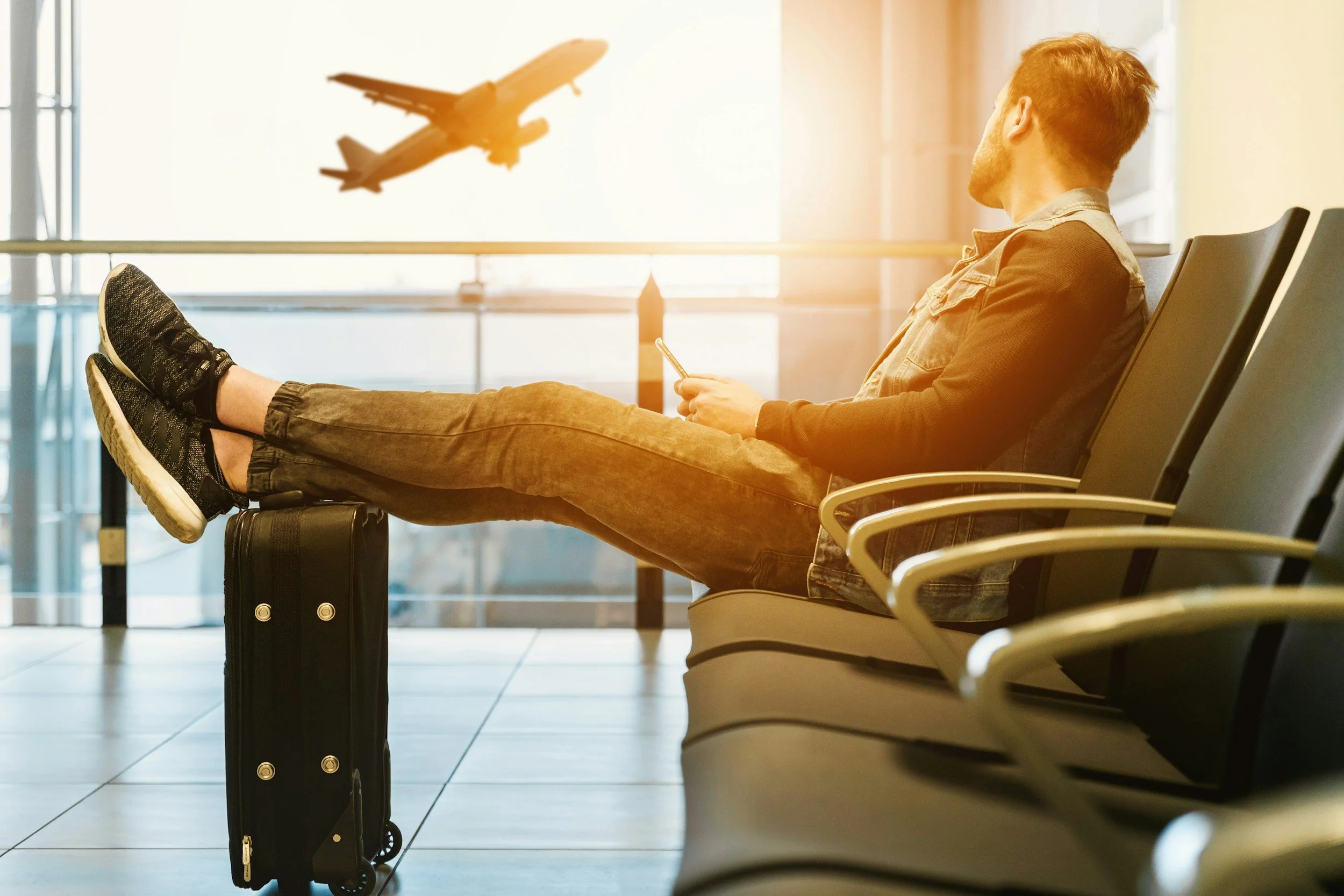
Planning a holiday is meant to be exciting, starting from choosing a destination, booking flights, and finally looking forward to that break away.
But new research shows that for many Irish holidaymakers, things don’t always go to plan. And when problems arise, travelling without insurance can turn a small issue into a very expensive one.
Recent research from the Competition and Consumer Protection Commission (CCPC) found that 16% of Irish holidaymakers experienced problems after booking their holiday last summer. Flight delays and reschedules were among the most common issues, but consumers also reported scams, cancelled accommodation, lost luggage and missed events.
Perhaps most worrying, almost one in three people travelled without travel insurance, rising to almost half of those under 35. With the average holiday costing close to €2,500, travelling uninsured can be a costly risk.
What can go wrong when booking a holiday?
Even the best-planned trip can be affected by events outside your control. According to the CCPC, consumers contacted its helpline thousands of times last year about travel-related issues. These included:
Flights being delayed or rescheduled, meaning people missed events or connections
Accommodation not matching what was advertised
Fake booking websites and holiday scams
Lost or delayed luggage, leaving travellers without essential items
Holidays cancelled due to missed payments or unexpected changes
If you’ve booked flights and accommodation separately, a problem with one part of your trip can have knock-on effects. A cancelled flight could mean you lose the cost of your accommodation too, that is unless you’re covered.
How travel insurance can help
Travel insurance won’t stop something going wrong, but it can protect you financially if it does. Depending on your policy, travel insurance may cover:
Cancellation or curtailment if you have to cancel your trip or return home early for a covered reason
Delayed or cancelled flights, including additional accommodation or travel costs
Lost, stolen or delayed baggage
Medical expenses abroad, which can be very expensive without insurance
Personal liability, if you accidentally injure someone or damage property
Without insurance, you may have to cover these costs yourself, and that add ups when you consider the money you’ve already spent on the holiday.
Why timing matters when buying travel insurance
One key finding from the CCPC research is that one in ten people bought travel insurance after booking their holiday, and some bought it even later. This can be risky.
If you wait until a known issue arises, for example such as a strike or extreme weather event, you may find that your policy won’t cover that event, as insurers generally won’t cover something that’s already known.
Buying travel insurance as soon as you book your holiday means you’re covered for issues that could arise before you even leave home, not just while you’re away.
Package holidays vs DIY trips
Package holidays can offer additional protections. If something goes wrong, your tour operator may be responsible for arranging alternatives. However, most people now book parts of their trip separately, such as flights on one website and accommodation on another.
When you build your own trip, travel insurance becomes even more important. A missed flight or cancelled accommodation could mean losing money on multiple bookings.
Young travelers and insurance gaps
The research also highlights a gap among younger travellers. While 18–24-year-olds were the most likely to travel, they were also the least likely to have insurance.
It’s easy to assume “nothing will happen”, especially on short trips or city breaks. But even a delayed flight or lost bag can lead to unexpected costs, and medical treatment abroad can run into thousands of euros.
Tips before you book
Alongside travel insurance, there are other steps you can take to protect yourself:
Book with trusted providers and be cautious of deals that seem too good to be true
Read reviews and don’t rush into bookings
Check cancellation and refund policies carefully
Pay securely using a debit or credit card, not bank transfer
Expect the unexpected
Holidays are a significant investment, and while most trips go smoothly, the research shows that problems are far from rare. Travel insurance can provide peace of mind and provide financial protection particularly when the unexpected happens.
Before your next trip, take a few minutes to understand what travel insurance covers and make sure it’s in place early. It could save you a lot of stress, and ultimately money, in the long run.
Link to the full report here from the CCPC - https://www.ccpc.ie/business/research/market-research/ccpc-travel-research-2026/