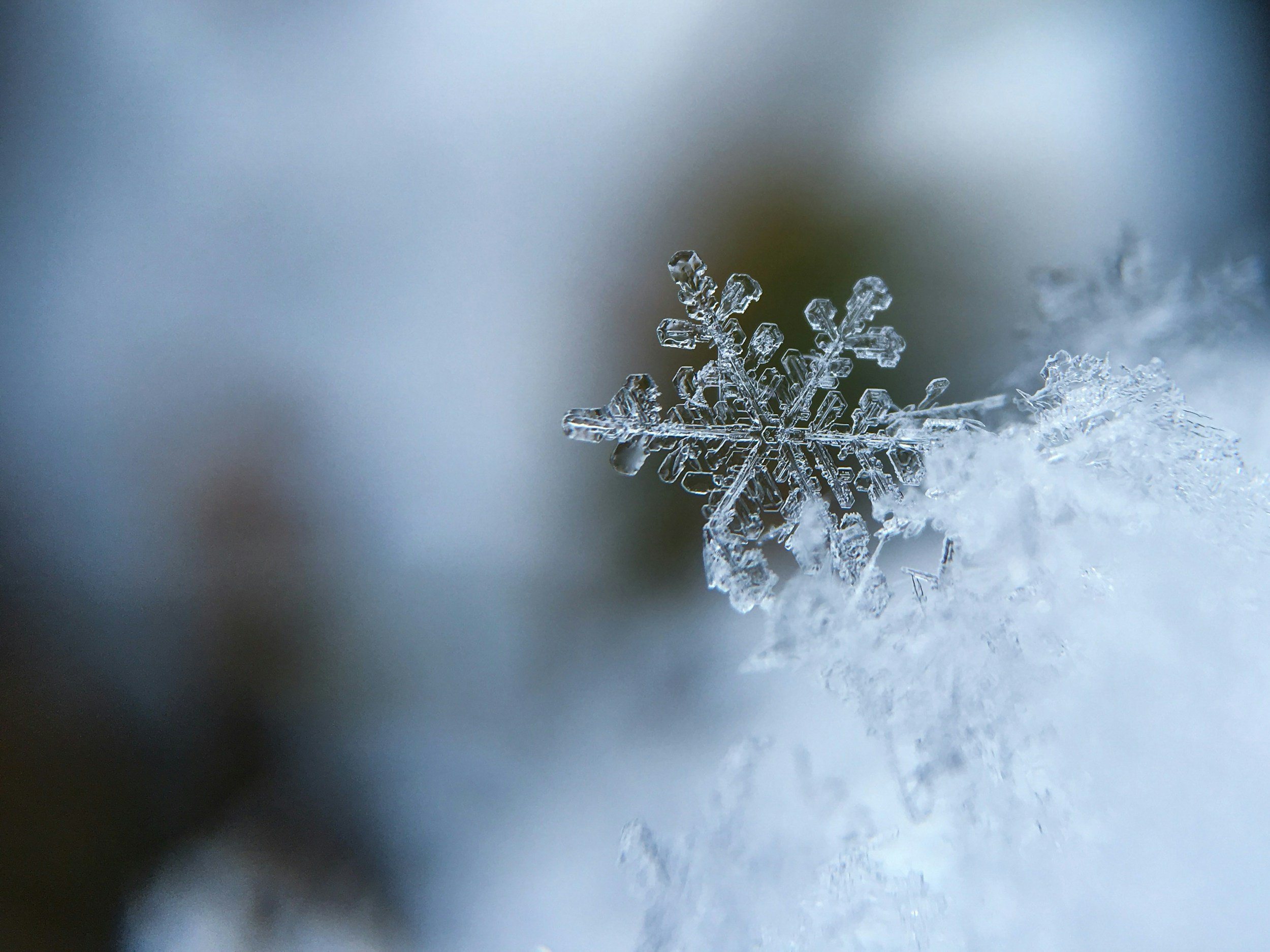
As temperatures drop and winter weather sets in, it's a good time to make sure your home is ready for the colder months ahead.
From frozen pipes and blocked gutters to storm damage and unexpected leaks, winter can bring a range of challenges for homeowners. The good news is that a few simple preventative measures can help protect your property, reduce the risk of costly repairs and give you greater peace of mind.
Here are five practical steps to help keep your home safe this winter.
1. Protect Your Pipes from Freezing
When temperatures fall below freezing, water inside exposed pipes can freeze and expand, potentially causing pipes to burst. This can lead to significant water damage and expensive repairs.
To reduce the risk:
Insulate exposed pipes and water tanks, particularly in attics, garages and other unheated areas.
Know where your main water shut-off valve is located in case of an emergency.
Keep your heating at a suitable level during particularly cold weather, even when you're away.
Check outdoor taps and exposed pipework before freezing conditions arrive.
Insurance tip: Many home insurance policies provide cover for damage caused by burst pipes, but terms, conditions and exclusions may apply. Check your policy to understand what's covered.
2. Clear Your Gutters and Drains
Falling leaves, moss and debris can quickly build up in gutters and drains during autumn and winter. When heavy rainfall arrives, blocked gutters can cause water to overflow, potentially damaging walls, roofs and foundations.
Before winter weather takes hold:
Remove leaves and debris from gutters and downpipes.
Check that drains are clear and water can flow freely.
Look for signs of loose or damaged guttering.
Arrange for a professional to inspect areas that are difficult or unsafe to access.
Regular maintenance can make a real difference in preventing avoidable water damage.
3. Check Your Roof, Windows and Doors
Strong winds and heavy rain can expose existing weaknesses in your home's exterior. A loose roof tile or poorly sealed window may seem like a small issue, but it can quickly become a bigger problem during a winter storm.
Take some time to:
Check for missing, cracked or loose roof tiles from ground level.
Inspect windows and doors for damaged seals or draughts.
Look for signs of dampness or water entering your home.
Arrange repairs before severe weather arrives.
Avoid climbing onto your roof yourself. If you suspect damage, contact a qualified professional.
4. Prepare Your Garden and Outdoor Areas
Winter storms can bring strong winds capable of moving or damaging unsecured outdoor items.
A little preparation can help protect both your property and neighbouring homes.
Secure garden furniture, bins, trampolines and other loose items.
Check fences, gates and sheds for signs of weakness.
Trim overhanging or damaged branches where safe to do so, using a professional when necessary.
Keep pathways and entrances clear of leaves and debris to reduce slipping hazards.
Taking these steps before a storm arrives can help prevent unnecessary damage.
5. Review Your Home Insurance Cover
Even with the best preparation, unexpected damage can still happen. That's why it's important to understand what your home insurance policy covers before you need to make a claim.
As winter approaches, consider the following:
Buildings insurance: Check that your policy provides appropriate cover for the structure of your home, including risks such as storm damage and escape of water, subject to policy terms.
Contents insurance: Make sure your belongings are insured for an appropriate amount.
Underinsurance: Review your sums insured to ensure they reflect the current cost of rebuilding your home and replacing your belongings.
Policy conditions: Check for any requirements relating to home maintenance, heating or periods when your property is left unoccupied.
Remember, the market value of your home is not the same as its rebuilding cost. Having the correct level of cover is essential.
A Little Preparation Goes a Long Way
Winter weather can be unpredictable, but preparing your home doesn't have to be complicated.
By taking a few simple precautions now, you can help reduce the likelihood of damage, avoid unnecessary disruption and protect what matters most.
And remember, if you're unsure about your home insurance cover, contact your insurer or broker to discuss your policy.
For more practical advice on protecting your home and understanding your insurance options, visit UnderstandingInsurance.ie.
Need More Assistance?
If you have further questions, you can contact Insurance Ireland's Information Services team:
Email: feedback@insuranceireland.eu
Tel: (01) 676 1820