Will buying an electric vehicle make getting insurance harder?
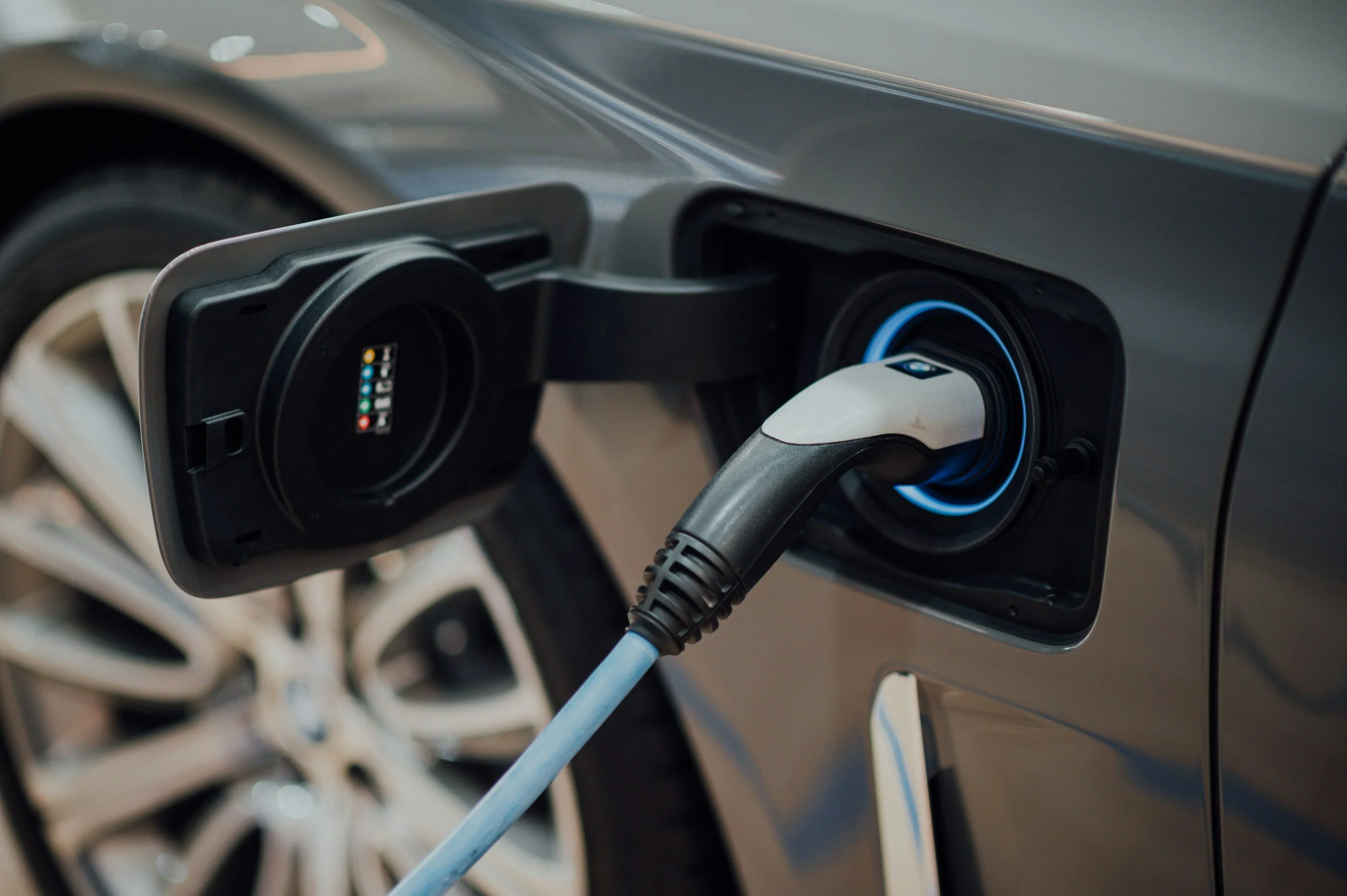
When it comes to getting insurance for your electric vehicle, there are a few differences to be aware of but you don’t be put off by insurance – it’s all rather simple!
Introduction
Ireland has committed itself to achieving a 51% reduction in emissions by 2030 and a net-zero position by 2050. For the transport sector, this translates to a cut of 50% in transport emissions (relative to 2018 levels) by 2030. To achieve this target, the Government is supporting a large-scale transition to Electric Vehicles (EVs). The Moving Together Strategy acknowledges the importance of supporting the use of EVs and better charging infrastructure, especially given the necessity of cars in rural areas.
EVs are becoming more and more commonplace in Ireland, with EV sales ahead of Department of Transport projections. The Department of Transport reported that there were approximately 196,000 electric vehicles on Irish roads as of October 2, 2025. This includes all types of EVs (battery EVs and plug-in hybrids). With that many on the roads, EVs are a common sight and businesses, from mechanics to insurance companies, are becoming more used to dealing with their specificities.
Differences Between EV and Traditional Car Insurance
Electric vehicle insurance isn’t that different to insurance on a regular internal combustion engine (ICE) vehicle. You can still get the usual types of cover on your vehicle such as third-party, fire and theft, comprehensive, or add Named Drivers.
However, insurance companies recognise that EVs have some extra needs compared to ICEs. Insurance policies have been adapted to meet those needs. Many insurers will offer roadside assistance for EVs that run out of charge and either charge your vehicle at the roadside or tow you to the nearest charging station or your home.
On top of that, you can get your charging cable insured against theft, allowing you to charge your EV at public charging stations with peace of mind that you’re covered. With many insurers, claiming for a stolen charging cable won’t impact your No Claims Bonus.
Cost Considerations
It is often repeated that EV insurance is more expensive than insuring an ICE-powered vehicle. While this may be the case in some instances, it is explained by the fact that EVs are often more expensive to buy in the first place, making the insurance higher. However, as EVs become more common, purchase prices should go down, allowing premiums to reduce.
Another consideration with EVs is that the parts required to repair electric vehicles can be more expensive, especially when it comes to batteries. Furthermore, the necessary expertise required to repair electric vehicles is not as widespread as it will need to be as EVs become more common.
Benefits for Sustainable Lifestyle
EVs produce zero ‘tailpipe’ emissions, reducing the harm from pollution to pedestrians and cyclists around our towns and cities. Charging your electric vehicle produces a lot less CO2 emissions than even the cleanest petrol engines, at just CO2 60g/km compared to CO2 130g/km for a petrol engine (SEAI).
For that reason, EV owners benefit from the lowest rate of motor tax applicable in Ireland, at just €120 per year. As more and more energy that we use in our homes comes from renewable sources such as solar and wind power, charging your EV will become more sustainable.
If your EV has to go to the mechanic for some repairs, many insurance companies will strive to have your temporary replacement car also be an EV. While one may not always be available, this is a positive direction that will allow motorists to continue to enjoy the benefits of sustainable transportation.
Conclusion
Electric vehicles are a key part of moving our society towards a net-zero and more sustainable future. You should explore the EV options that are right for you, and rest assured that you will find the right insurance cover for you and your needs.
Make sure you check out Understanding Insurance’s other blog posts to find helpful tips such as the benefits of carpooling and adding additional drivers to your car.
Need More Assistance?
If you have further questions, you can contact Insurance Ireland’s Information Services team:
Email: feedback@insuranceireland.eu
Tel: (01) 676 1820